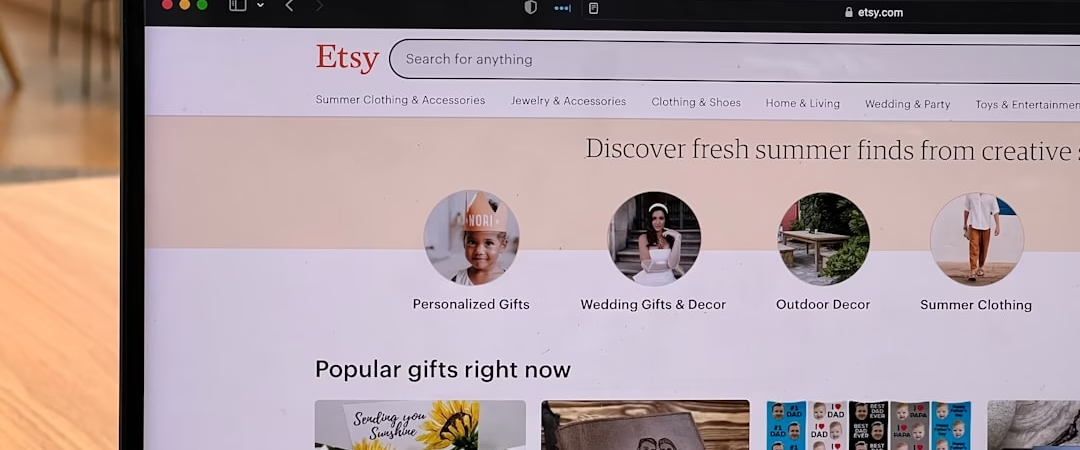
Turn Your Passion Into Profit: The 2025 Guide to Building a Passive Etsy Shop with AI
Imagine earning money while you sleep—all from the hobby you love. Whether you’re crafting handmade jewelry, designing digital art, or baking custom cookies, turning your passion into a passive Etsy shop for hobby creators is more achievable than ever in 2025. With the help of artificial intelligence (AI), you can automate tedious tasks, optimize your listings, and scale your business without sacrificing creativity. This guide will walk you through the exact steps to build a sustainable, low-maintenance Etsy shop that works for you.
Step 1: Choose a Profitable Niche Within Your Hobby
Before diving into AI tools or product creation, identify a specific niche within your hobby that has demand on Etsy. For example, if you enjoy knitting, consider specializing in pet accessories or seasonal home decor. Use Etsy’s search bar and Google Trends to validate interest. Look for long-tail keywords like “custom pet sweaters” or “boho wall hangings” to ensure your niche isn’t oversaturated. AI tools like Jungle Scout or eRank can analyze competition and suggest profitable keywords.
What makes a good Etsy niche for hobby creators?
A strong niche balances personal passion with market demand. Focus on products that solve a problem or enhance a lifestyle. For instance, digital planners for students or eco-friendly tote bags for travelers. AI-powered trend analysis tools can help predict seasonal demand and customer preferences, ensuring your shop stays relevant.
Step 2: Automate Product Creation with AI Design Tools
AI has revolutionized how creators design products. Tools like Canva Pro, Adobe Firefly, and MidJourney can generate high-quality visuals, logos, and mockups in minutes. If you’re selling digital products—like printable art or SVG files—use AI to create templates that customers can customize. For physical items, AI can help with pattern design, color selection, or even 3D modeling for laser-cut crafts. This automation reduces production time and allows you to focus on strategy.
Can AI really help me sell on Etsy?
Yes, but it’s not magic. AI excels at handling repetitive tasks—like generating product descriptions, optimizing SEO tags, or creating social media content. It won’t replace your creativity, but it amplifies it. For example, Jasper or Copy.ai can draft compelling product titles and descriptions based on your keywords, saving hours of writing.
Step 3: Optimize Listings for Search Visibility
Etsy’s algorithm prioritizes listings with relevant keywords, high-quality images, and engaged customers. Use AI SEO tools like Marmalead or Alura to find low-competition keywords and analyze top-performing listings. Incorporate these keywords naturally into your titles, tags, and descriptions. AI can also suggest optimal pricing based on competitor data and seasonal trends. Remember, visibility is key to a passive income stream.
How do I optimize my Etsy listings with AI?
Start by inputting your product details into an AI SEO tool. It will generate a list of keywords and phrases to include in your listing. Next, use AI image enhancement tools like Remove.bg or VanceAI to create clean, professional photos. Finally, schedule social media posts with platforms like Hootsuite or Buffer, using AI-generated captions that drive traffic to your shop.
Step 4: Automate Customer Service and Order Fulfillment
Once your shop gains traction, managing orders and customer inquiries can become overwhelming. AI chatbots like Tidio or Zendesk can handle common questions about shipping times, returns, or customization options. For digital products, automate delivery using tools like Gumroad or Etsy’s instant download feature. If you’re dropshipping or using print-on-demand services, integrate platforms like Printful or Gelato to fulfill orders automatically.
Do I need to interact with customers for a passive Etsy shop?
While full automation is ideal, some customer interaction is unavoidable. However, AI can minimize this by setting up automated responses for FAQs and order confirmations. Focus on creating a seamless experience that requires minimal follow-up. For example, include detailed sizing charts or care instructions in your product descriptions to reduce inquiries.
Step 5: Scale with Digital Products and Print-on-Demand
To maximize passive income, diversify your offerings. Digital products—like planners, templates, or courses—require no inventory and can be sold repeatedly. Use AI to create these products quickly, then upload them to your shop. Alternatively, partner with print-on-demand services to sell custom-designed apparel, mugs, or phone cases. AI tools can help design these products and optimize listings for maximum visibility.
What are the best digital products for Etsy sellers?
Top-performing digital products include printable art, social media templates, and DIY craft patterns. These items are easy to create, require no storage, and can be priced competitively. Use AI to generate variations of your designs and bundle them into packages for higher value. For example, create a set of 10 minimalist art prints and sell them as a downloadable collection.
Step 6: Monitor Performance and Adjust Strategies
Even the best passive Etsy shops need periodic adjustments. Use analytics tools like Etsy Stats or Google Analytics to track sales, traffic sources, and customer behavior. AI-powered dashboards can highlight trends and suggest improvements. For instance, if a product isn’t selling, AI might recommend adjusting its price, description, or keywords. Regularly review and update your strategy to stay ahead of market changes.
How often should I update my Etsy shop?
Monthly reviews are ideal. Check your top-performing listings and replicate their success with new products. Update keywords based on seasonal trends or new search data. AI tools can automate this process by sending alerts when certain metrics drop, prompting you to take action.
Common Mistakes to Avoid When Building a Passive Etsy Shop
- Overcomplicating Designs: Simple, clean designs often perform better than overly complex ones. AI can help streamline your creative process.
- Neglecting SEO: Without proper keywords, your listings won’t appear in search results. Use AI tools to stay competitive.
- Ignoring Customer Feedback: Reviews and ratings directly impact visibility. Address negative feedback promptly and use positive reviews in marketing.
- Setting Unrealistic Prices: Research competitors and use AI pricing tools to find the sweet spot for your niche.
- Failing to Diversify: Relying on one product type can limit income potential. Expand into digital or print-on-demand options.
Why isn’t my Etsy shop generating passive income?
It could be due to poor SEO, lack of product variety, or inconsistent branding. Passive income requires upfront effort to optimize systems. If your shop isn’t performing, audit your listings, adjust keywords, and consider adding digital products to reduce workload.
Conclusion: Your Hobby Deserves a Sustainable Income Stream
Building a passive Etsy shop for hobby creators in 2025 isn’t about quick riches—it’s about smart automation and strategic planning. By leveraging AI for design, SEO, and customer service, you can transform your passion into a steady income stream. Start small, focus on one niche, and scale gradually. The key is consistency and adaptability in a constantly evolving marketplace.
Ready to turn your hobby into profit? Begin by selecting your niche today, and let AI handle the heavy lifting. Your future self will thank you.
<META_DESC: Learn how to build a passive Etsy shop for hobby creators using AI tools in 2025. Step-by-step guide to automate, optimize, and scale your online business.